Mascots That Build Spirit, Identity, and Lasting Connections
The Power of Mascots in Modern Branding
A great mascot is more than a colorful costume or a recognizable character. It is a visual personality that gives an organization a memorable way to connect with its audience. Colleges, sports programs, businesses, community organizations, and entertainment groups can use mascots to create excitement, encourage participation, and build emotional connections. A well-designed character can become closely associated with an institution's identity, appearing at games, promotional events, celebrations, fundraisers, and community activities.
For colleges and universities, a mascot can transform an ordinary sporting event into an energetic experience. Students, alumni, athletes, and supporters often respond enthusiastically when a recognizable character interacts with the crowd. A custom mascot for college sports can reflect school colors, traditions, history, and personality while giving fans a character they can immediately associate with their institution. Whether the character represents a fierce animal, a legendary figure, or a creative symbol, customization allows the mascot to become a genuine extension of the school's identity.
Creating a Strong College Sports Identity
College sports depend heavily on school spirit. Fans do not simply attend games to watch athletes compete; they participate in an experience built around traditions, chants, colors, music, and shared enthusiasm. A mascot can bring all these elements together by becoming an active participant in the atmosphere. During pregame celebrations, halftime entertainment, student activities, and fan interactions, the mascot can help maintain energy throughout the event.
Customization is particularly valuable because every college has its own story. A generic character may entertain a crowd, but a mascot designed specifically around a school's identity can create a much stronger sense of belonging. Details such as distinctive colors, accessories, facial expressions, and character features can communicate the personality of a sports program. Over time, that character can become an instantly recognizable symbol that fans associate with memorable victories and traditions.
Mascots Turn Events Into Experiences
One of the biggest advantages of mascots is their ability to encourage interaction. A mascot can pose for photographs, greet visitors, participate in crowd activities, entertain children, and interact with athletes and supporters. These moments create experiences that people are more likely to remember and share.
Mascots are also highly adaptable. A character that appears at a basketball game can later participate in a campus festival, charity event, orientation program, alumni gathering, or community outreach activity. This flexibility makes mascot entertainment valuable beyond the main sporting season. It allows organizations to maintain visibility and engagement throughout the year rather than limiting their character to a single type of event.
Building Recognition Through Character Design
Successful mascot design requires more than simply choosing an interesting creature or character. The design should communicate personality at a glance. A mascot intended to represent a competitive sports team might need a confident and energetic appearance, while a family-oriented organization may benefit from a friendlier and more approachable character.
Practical considerations matter as well. A performer needs to move comfortably, see clearly, maintain reasonable ventilation, and interact naturally with people. Durable construction is also important because mascots may be used repeatedly at crowded events. When visual appeal and performer comfort are considered together, the resulting character can provide a better experience for both the audience and the person wearing the costume.
Mascots Strengthen Community Engagement
Mascots can also help organizations connect with audiences outside their immediate fan base. Community appearances create opportunities for schools and organizations to participate in local events, charitable initiatives, youth programs, and public celebrations. A friendly character can attract attention without requiring complicated messaging, making it an effective ambassador for positive community interaction.
For colleges, these appearances can help introduce younger audiences to the institution. Children who meet a memorable mascot at a community event may later recognize the character when they attend a game or visit campus. That familiarity can contribute to long-term emotional recognition and make the institution feel more approachable.
Extending Mascot Value Across Marketing
A mascot can become a versatile marketing asset when its visual identity is consistent. The character can appear in social media content, promotional photography, printed materials, merchandise, event graphics, and digital campaigns. This repeated exposure helps audiences recognize the organization quickly.
The strongest mascot strategies treat the character as part of a broader brand rather than an isolated costume. Its personality, appearance, and behavior can be incorporated into campaigns and live events in ways that reinforce the organization's message. When audiences repeatedly encounter the same recognizable character, familiarity grows, and familiarity can make branding feel more personal and engaging.
Making Business Events More Memorable
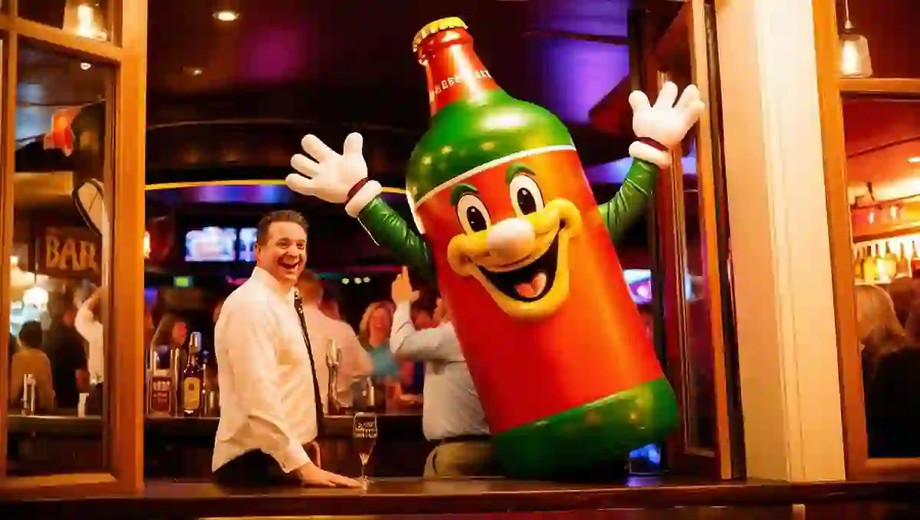
Businesses can benefit from mascot programs in much the same way sports organizations do. At trade shows, grand openings, promotional campaigns, family days, community events, and corporate celebrations, an engaging character can attract attention and encourage people to stop and interact. Instead of relying solely on banners or conventional advertising, a mascot creates a physical presence that audiences can immediately notice.
Well-planned corporate mascot costumes can give businesses a distinctive personality while supporting marketing objectives. A character can represent a brand's values, product, service, or identity in a way that feels approachable and entertaining. When the mascot is designed thoughtfully and used consistently, it can become an identifiable part of the company's public image.
Choosing a Mascot That Creates Lasting Impact
The most effective mascots combine strong storytelling, practical construction, visual recognition, and audience appeal. Organizations should consider where the mascot will be used, who will interact with it, and what personality it should communicate. A design created for large stadiums may require different visual features from one intended for smaller indoor events.
Quality also matters because a mascot represents the organization every time it appears in public. A carefully constructed character can support repeated performances while maintaining its visual appeal. Organizations should therefore approach mascot creation as a long-term investment in identity and engagement rather than treating it as a one-time promotional purchase.
Conclusion
A memorable mascot can turn branding into an experience people can see, recognize, photograph, and remember. From college sporting events filled with school spirit to business promotions designed to attract attention, mascots provide organizations with an engaging way to build connections with their audiences. Their versatility allows them to work across entertainment, marketing, community outreach, and special events while maintaining a consistent identity.
For organizations seeking creative mascot solutions that balance personality, visual impact, and practical performance, mascot4u.com can be part of the journey toward creating a character that audiences remember long after the event ends.


Comments
Post a Comment