Creative Team Mascot Ideas For Memorable Fan Experiences
Why Team Mascots Matter
A great mascot is more than a colorful costume walking around a stadium. It becomes a recognizable symbol of team spirit, community pride, and fan engagement. Whether used by a professional sports organization, school, college, amateur club, or community team, a memorable mascot can create an emotional connection with audiences.
The best mascot concepts combine the personality of the team with a character that people instantly understand. Animals, mythical creatures, heroes, objects, and imaginative characters can all become effective mascots when their appearance and behavior reflect the team's identity.
Start With Your Team Identity
Before developing team mascots ideas, consider what makes the team unique. Look at its name, colors, history, location, values, and playing style. A team known for speed might choose a cheetah, falcon, or lightning-inspired character. A team associated with strength could use a bear, bull, lion, or powerful fictional creature.
Local culture can also provide excellent inspiration. A mascot connected to a region, landmark, traditional symbol, or popular local story can make the character feel more authentic. The goal is not simply to choose an attractive character but to create one that represents the team's personality.
Explore Animal-Based Mascot Concepts
Animals remain one of the most popular sources of mascot inspiration because they naturally communicate recognizable traits. A tiger can represent courage and determination, while an eagle may suggest freedom and ambition. A wolf can communicate teamwork and loyalty, whereas a fox can give a team a clever and energetic personality.
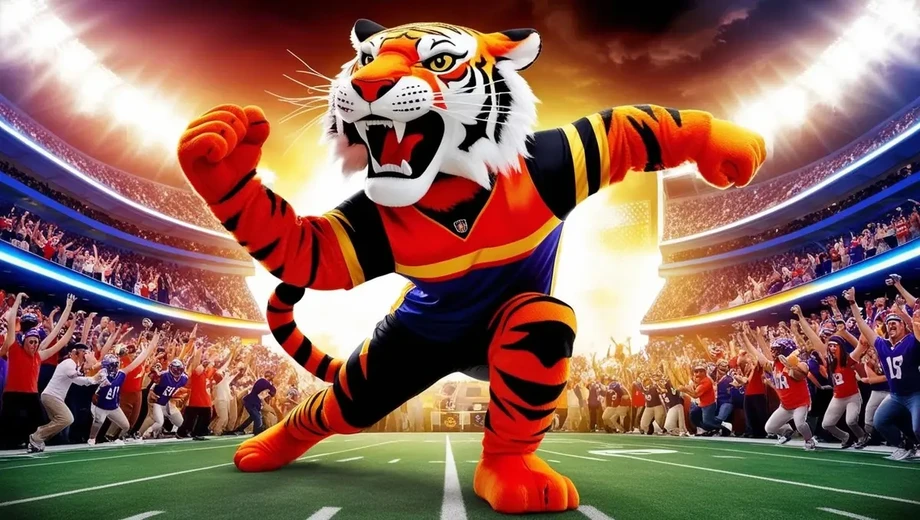
Consider exaggerating the animal's most distinctive features. Large eyes, expressive eyebrows, oversized paws, dramatic ears, or an impressive tail can make the character visually memorable. These details can also help transform an ordinary animal concept into a unique team identity.
Try Original Character Concepts
Not every mascot needs to be based on a real animal. Original fictional characters can give teams greater creative freedom. A team might develop a superhero-like champion, a futuristic athlete, a fantasy creature, or a playful character inspired by an everyday object.
These concepts are particularly useful when a team wants to stand apart from competitors using similar animal mascots. An original character can have its own personality, backstory, signature gestures, and catchphrases, making it easier to build a complete brand around the mascot.
Designing Character Mascot Costumes
Once the character concept is established, the next step is turning the illustration into a wearable design. Character mascot costumes should preserve the most important visual features of the original mascot while remaining practical for performers.
The costume needs to be recognizable from a distance. Strong colors, distinctive shapes, oversized facial features, and clear team branding can help achieve this effect. At the same time, the performer needs enough visibility, ventilation, mobility, and comfort to interact with fans safely during long events.
A successful costume balances appearance with functionality. A spectacular design that is uncomfortable or difficult to move in will not deliver the desired experience.
Use Team Colors Strategically
Colors play an important role in mascot recognition. Incorporating the team's official colors into the character's clothing, fur, accessories, or equipment can immediately connect the mascot to the organization.
Avoid overcrowding the design with too many colors. A strong primary color supported by one or two complementary shades can create a cleaner and more professional appearance. The mascot should also remain recognizable in photographs, videos, merchandise, and social media posts.
Give The Mascot A Personality
A mascot becomes much more engaging when it has a personality beyond its visual appearance. Is the character energetic and mischievous? Confident and heroic? Friendly and humorous? Competitive but playful?
Personality influences how performers interact with crowds. A funny mascot might dance, imitate players, pretend to be distracted, or create harmless comedic moments. A heroic character might encourage fans, celebrate victories dramatically, and lead team chants.
Creating a simple personality guide can help performers maintain consistency at different events.
Make Fan Interaction Part Of The Design
A mascot should be designed with interaction in mind. High-fives, dancing, photographs, waving, playful celebrations, and crowd participation can turn ordinary appearances into memorable experiences.
Mascot designs should therefore allow sufficient arm and leg movement. Accessories should also be secure and manageable. If the mascot carries a prop, it should complement the character without restricting movement.
The best mascot experiences encourage fans to participate rather than simply watch.
Think Beyond The Stadium
A strong mascot can become part of a team's identity far beyond game day. The character can appear at school visits, community events, charity programs, promotional campaigns, parades, youth tournaments, and corporate gatherings.
Digital content can expand the mascot's reach even further. Short videos, social media posts, animated graphics, and behind-the-scenes content can give fans additional opportunities to connect with the character.
This makes the mascot an ongoing communication tool rather than a costume used only during matches.
Create A Mascot Fans Remember
Memorable team mascots usually have three things in common: a clear identity, a distinctive appearance, and an engaging personality. Teams should avoid copying popular mascot designs too closely. Instead, they can use familiar concepts as inspiration while adding original visual details and storytelling.
Simple ideas can become powerful when they are executed consistently. A unique facial expression, signature pose, recognizable accessory, or special celebration can eventually become strongly associated with the team.
Conclusion
Developing a mascot is an opportunity to turn team identity into an unforgettable character. From creative animal concepts and fictional heroes to practical character mascot costumes, every design decision can contribute to stronger fan connections. By combining originality, team colors, personality, comfort, and interactive features, organizations can create a mascot that becomes a beloved part of their community and sporting culture.


Comments
Post a Comment