Creative School Mascot Ideas That Inspire Lasting Spirit
A school mascot is much more than a colorful character at the edge of a sports field. It can become a recognizable symbol of school pride, friendship, tradition, and community. When students see their mascot, they should instantly feel connected to something bigger than themselves.
A memorable mascot can appear at athletic events, assemblies, pep rallies, fundraisers, graduation celebrations, and community activities. It gives students a shared identity while creating exciting opportunities for photos, cheers, social media content, and school merchandise.
The best mascot is one that feels authentic to the school's personality. A fierce animal may suit a competitive athletic program, while a playful character could be perfect for an elementary school. The goal is to create an identity that students are excited to support.
Start With Your School's Personality
Before choosing among different school mascot ideas, consider what makes the school unique. Think about its history, traditions, location, values, colors, and student culture.
For example, a school located near a forest might explore an owl, fox, bear, or eagle. A school with a strong academic tradition could choose a wise character such as an owl or scholar-inspired figure. Schools that emphasize courage and leadership might prefer a lion, wolf, tiger, or other powerful character.
Mascot selection should involve students, teachers, coaches, and administrators whenever possible. Gathering ideas through classroom activities, surveys, or school competitions can make students feel personally invested in the final design.
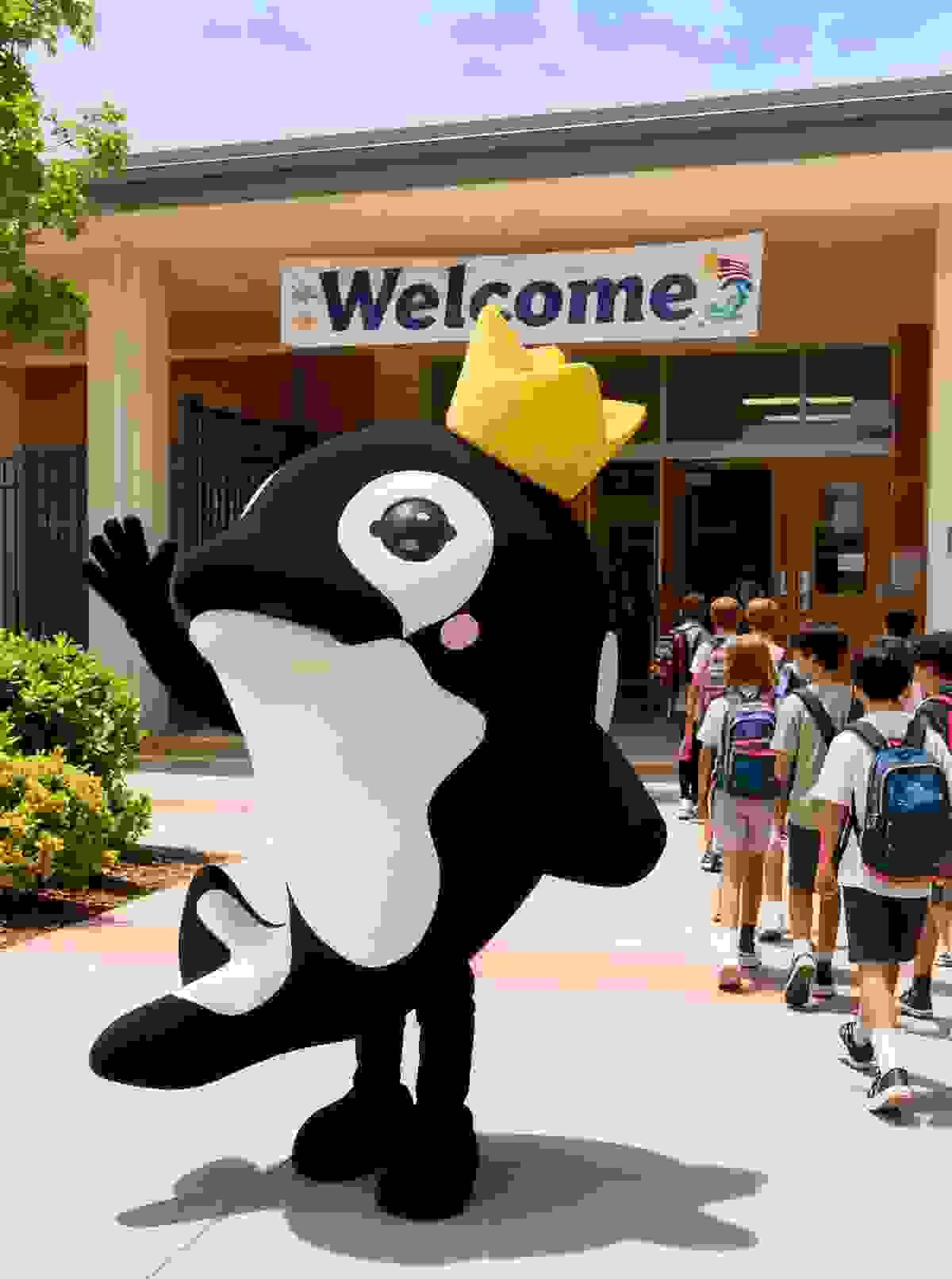
Explore Animal-Based Mascot Concepts
Animals remain popular because they can communicate personality quickly. A tiger can represent determination, a hawk can suggest focus and speed, and a bear can create an image of strength and protection.
However, schools do not have to choose the most common animal. A more unusual choice can make the identity feel distinctive. Consider animals with interesting personalities, expressive faces, or strong connections to the school's environment.
The visual design also matters. An intimidating animal might work well for a high-energy sports program, while a friendly, oversized version could appeal more to younger students. Small design details, including facial expression, clothing, accessories, and school colors, can transform a familiar animal into a completely original character.
Think Beyond Traditional Animals
Some of the most memorable school mascots ideas come from unexpected concepts. Instead of choosing a standard animal, schools can develop characters based on objects, legends, occupations, nature, or imaginative creatures.
A school near a historic landmark might create a mascot inspired by local heritage. A technology-focused school could develop a futuristic robot. An environmental program might use a friendly tree, mountain, river creature, or recycling-inspired character.
Fantasy characters can also provide enormous creative freedom. Dragons, mythical guardians, magical creatures, and original fictional personalities can be designed specifically around a school's values.
The key is to make the character easy to recognize and enjoyable to portray. A mascot should have a strong silhouette, expressive features, and a personality that can be communicated through movement.
Make Students Part of the Creative Process
Mascots become more meaningful when students help shape them. Schools can organize mascot design contests and invite students to submit sketches, names, slogans, or personality descriptions.
This approach can generate dozens of fresh concepts while turning mascot development into a memorable school experience. Younger students might focus on colors and character features, while older students can help with storytelling, branding, and promotional ideas.
A student-created mascot can also become part of the school's history. Years later, alumni may still remember the excitement surrounding its creation and feel connected to the character.
Design for Events and Everyday Visibility
A mascot should not be designed only for sports games. Its appearance should work across many school environments.
The character might lead a pep rally, welcome new students, appear at an open house, participate in community events, or pose for photographs during special celebrations. It can also feature on banners, yearbooks, posters, apparel, social media graphics, and promotional materials.
For this reason, the mascot design should remain recognizable even when reproduced in different sizes and formats. A strong face, distinctive colors, and memorable accessories can help maintain consistency.
Give the Mascot a Memorable Personality
A great mascot feels alive because it has a personality. Instead of simply being "the school tiger," imagine who that tiger is.
Is the character energetic and mischievous? Is it courageous and competitive? Is it friendly, funny, clever, or inspiring? Defining these characteristics makes performances more engaging.
A mascot personality can also guide behavior at school events. It can celebrate victories, encourage students, interact with younger children, and create playful moments during games. Even without speaking, body language and exaggerated gestures can communicate a surprisingly rich personality.
Choose a Design Students Will Love
Trends can influence mascot design, but timeless appeal should remain the priority. A design that looks exciting today should still feel appropriate years from now.
Consider how the character will look from a distance, particularly in a crowded gymnasium or stadium. Bold shapes and clear features are generally easier to recognize. The costume should also allow the performer enough mobility to walk, wave, dance, and interact comfortably.
Comfort and practicality are just as important as appearance. A visually impressive mascot that is difficult to wear or move in may struggle to deliver the energetic performance students expect.
Turn Mascot Spirit Into Tradition
Once a mascot has been created, schools can build traditions around it. The mascot might lead an annual parade, appear during orientation, participate in charity events, or help welcome graduating students.
Schools can create mascot-themed cheers, special appearances, photo opportunities, and spirit days. These traditions gradually turn a character into a symbol of belonging.
A mascot can also help connect generations. When alumni return for reunions or major games, seeing the familiar character can instantly bring back memories of school life.
Conclusion
The strongest mascot begins with an idea that reflects the school's character and grows through creativity, student participation, thoughtful design, and consistent traditions. Whether the final character is a fierce animal, friendly creature, imaginative hero, or completely unexpected concept, it should make students feel proud to stand behind it.
For schools looking to turn creative concepts into a memorable visual identity, mascot4u.com can be part of the journey toward creating a character that captures school spirit and leaves a lasting impression.


Comments
Post a Comment